Ordinary cameras rely on reflected light. A thermal camera detects the infrared energy every object emits, so it sees in total darkness, fog, smoke and harsh backlight.
Why security teams use thermal
- Longer detection range at night than visible cameras.
- Accurate alerts — not fooled by shadows, headlights or foliage.
- No lighting required — lower cost along long perimeters.
Popular FLIR product families
Teledyne FLIR designs and manufactures thermal and visible imaging, video analytics, measurement and diagnostic systems and advanced threat detection, including:
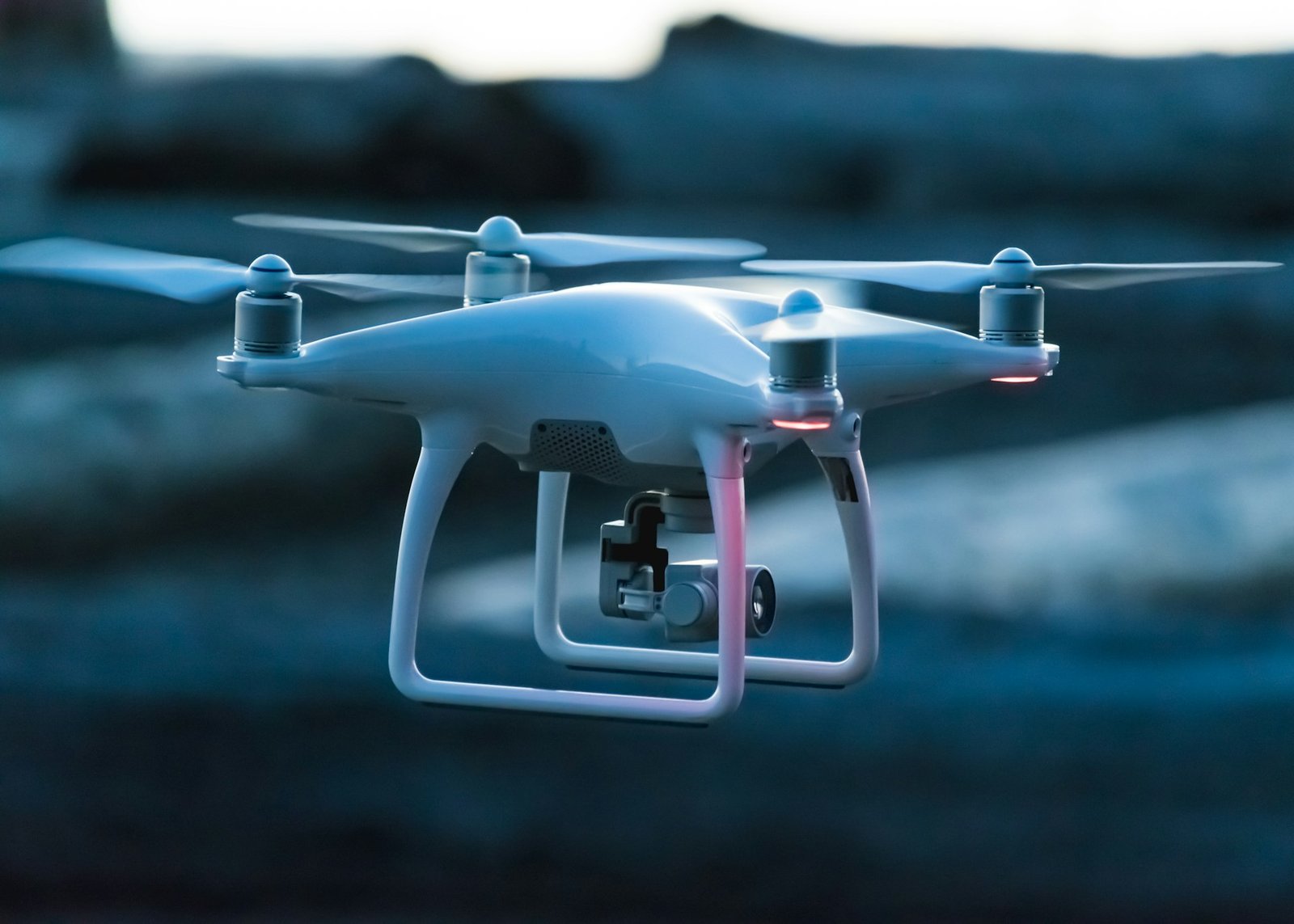
- sUAS (small drone) cameras and kits
- Thermal cameras for industry and science
- Handheld optics for patrols
- Tactical and law-enforcement systems
- Fixed thermal security cameras
How to choose
Consider required range (lens and sensor resolution), sensor type (uncooled for general use, cooled MWIR for very long range) and integration with your VMS and analytics.
AI IN VISION calculates DRI (Detection, Recognition, Identification) ranges and designs camera placement for full, cost-effective coverage.
Back to insights